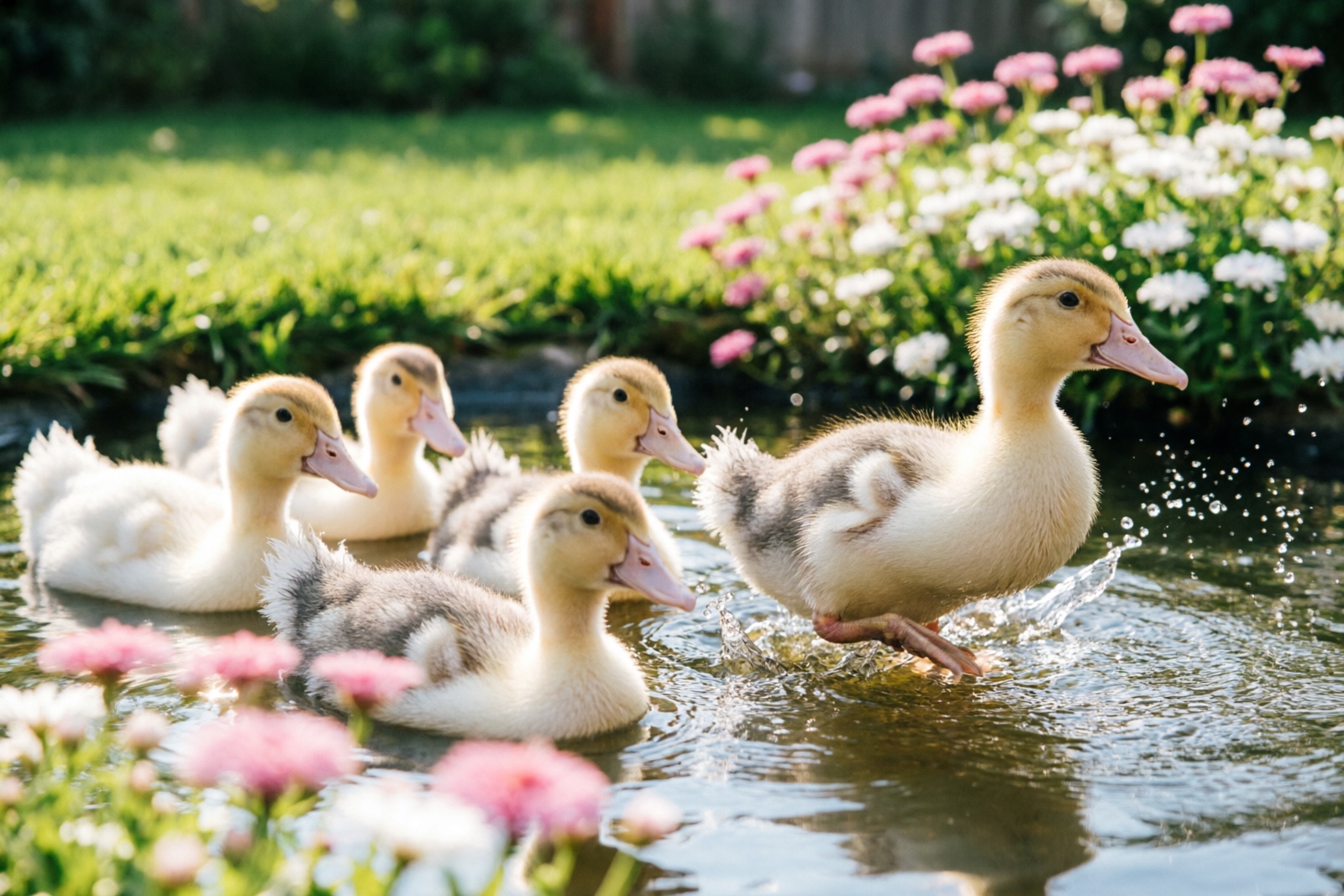
Call Ducks as Pets: The Complete Care Guide for Beginners
Have you been seeing those adorable, pint-sized ducks all over social media and wondering if they’d make good pets? You’re not alone. Call ducks—those compact, round-faced waterfowl with impossibly cute short bills—have captured hearts worldwide. But before you rush out to buy one, you need to know what you’re getting into.
In this comprehensive guide, we’ll cover everything you need to know about keeping call ducks as pets: their costs, care requirements, housing needs, diet, behavior, and most importantly—whether they’re the right fit for your lifestyle.
What Are Call Ducks?
Call ducks (Anas platyrhynchos domesticus) are a bantam breed of domestic duck, originally developed in the Netherlands during the 17th and 18th centuries. Their name comes from their original purpose: hunters used them as “decoy ducks” to call wild ducks into traps. Today, they’re bred primarily as ornamental pets and show birds. If you’re wondering how to call ducks or attract them to your area, understanding their natural vocalizations and social behaviors is key—these small ducks are quite communicative!
Physical Characteristics
Call ducks are the smallest domestic duck breed, typically weighing:
- Males (Drakes): 1.5-1.75 lbs (680-790g)
- Females (Hens): 1.25-1.5 lbs (570-680g)
Their most distinctive features include:
- Round, apple-shaped heads
- Short, stubby bills (much shorter than typical ducks)
- Compact, rounded bodies
- Short legs positioned toward the back of their body
Unlike most domestic ducks, call ducks retain their ability to fly. This is crucial to know if you’re planning outdoor housing—you’ll need covered enclosures or wing clipping.
Call Duck Color Varieties
Call ducks come in several beautiful color varieties, with some becoming increasingly popular:
- White call ducks: The classic and most popular variety, featuring pure white plumage that’s striking in any setting
- Grey call ducks: Have seen explosive interest recently, with searches surging over 34,000% in recent months—making them a trending choice for duck enthusiasts. Learn more about grey call ducks →
- Other varieties include: Butterscotch, Mallard, Snowy, Pastel, and Bibbed
Color doesn’t affect care requirements or temperament, so choose based on your personal preference and availability from breeders.
How Long Do Call Ducks Live?
With proper care, call ducks typically live 8-12 years, though some have been known to reach 15 years. Their lifespan depends on:
- Quality of diet and nutrition
- Access to clean water for swimming
- Protection from predators
- Regular health monitoring
- Living environment (indoor vs. outdoor)
Are Call Ducks Good Pets?
Before diving into care requirements, let’s be honest about whether call ducks are right for you.
The Pros
✅ Incredibly Cute and Entertaining Their adorable appearance and quirky behaviors make them endlessly entertaining to watch. They waddle, splash, and interact with each other in amusing ways.
✅ Social and Personable Call ducks can bond with their owners and often recognize their caregivers. Some even enjoy being gently handled once they trust you.
✅ Relatively Low Maintenance (Compared to Dogs) They don’t need daily walks, and they’re generally hardy birds when provided with proper shelter and nutrition.
✅ Unique Pet Choice You won’t find many other people with pet ducks—they’re definitely conversation starters!
The Cons
❌ They’re Messy Ducks produce a lot of waste, and they love water. Expect wet bedding, splashed water, and frequent cleaning.
❌ They Need Water Access Call ducks require regular access to water for swimming and cleaning their feathers. This means you’ll need a pond, pool, or large water container.
❌ They’re Noisy Especially the females. Call ducks are vocal birds, and they will let you know when they want something.
❌ Not Ideal for Small Spaces If you live in an apartment or have a tiny backyard, call ducks probably aren’t suitable.
Who Should Get Call Ducks?
Call ducks are ideal for:
- People with yards (at least 100+ sq ft per duck)
- Those who enjoy watching animal behaviors
- Families with children (teach responsibility and animal care)
- Rural or suburban dwellers with outdoor space
Who Should Avoid Call Ducks?
Call ducks are NOT ideal for:
- Apartment dwellers
- People who want a quiet, low-mess pet
- Those who travel frequently (unless you have a reliable pet sitter)
- Anyone with strict HOA rules or noise restrictions
Call Duck Cost and Where to Buy
Purchase Price
Call ducks vary widely in price based on color, age, and breeder reputation:
| Duck Type | Price Range |
|---|---|
| Pet-quality ducklings | $20-$50 each |
| Pet-quality adults | $50-$100 each |
| Show-quality birds | $100-$500+ each |
| Rare color varieties | $150-$300+ each |
Important: Never buy just one duck. Ducks are highly social and require companionship. Always get at least two ducks.
Where to Buy Call Ducks
If you’re searching for call ducks for sale, here are the best places to find healthy, well-bred birds:
1. Reputable Breeders (Best Option)
- Search online for “call duck breeders near me”
- Ask for health guarantees and vaccination records
- Visit if possible to see living conditions
2. Hatcheries
- Metzer Farms - Known for healthy ducklings
- Murray McMurray Hatchery - Ships nationwide
- Minimum order usually 2-3 ducklings
3. Local Farms or Feed Stores
- Check Craigslist, Facebook Marketplace, or local farming groups
- Ask about health history and age
4. Duck Rescue Organizations
- Consider adopting ducks in need of homes
- Often less expensive, and you’re giving a duck a second chance
Initial Setup Costs
| Item | Estimated Cost |
|---|---|
| 2 ducklings | $40-$100 |
| Brooder setup (heat lamp, bedding) | $50-$80 |
| Water container/pond | $40-$100 |
| Feed (starter + adult) | $30-$50 |
| Housing/enclosure | $100-$500 |
| Total Initial Investment | $260-$830 |
Monthly Maintenance Costs
| Expense | Monthly Cost |
|---|---|
| Feed (2 ducks) | $15-$25 |
| Bedding materials | $10-$20 |
| Water/electricity | $5-$10 |
| Vet fund (savings) | $10-$20 |
| Total Monthly | $40-$75 |
Call Duck Habitat and Housing
Creating the right environment is critical for happy, healthy call ducks.
Outdoor Housing (Recommended)
If you have a yard, outdoor housing is ideal. Here’s what you need:
Minimum Space Requirements:
- 10-25 square feet per duck in enclosed run
- 4-6 square feet per duck in shelter/coop
- Access to water (pond, pool, or large tub)
Essential Components:
- Secure Shelter
- Weatherproof coop or duck house
- Protection from rain, wind, and extreme temperatures
- Predator-proof (raccoons, foxes, hawks are threats)
Recommended Product: Ware Manufacturing Duck House - Weather-resistant design for 2-4 ducks, easy to clean
- Enclosed Run
- Fenced area with buried wire (to prevent digging predators)
- Covered top (call ducks can fly!)
- Protection from aerial predators
- Water Source
- Large pond, stock tank, or kiddie pool
- Must be deep enough for swimming (at least 6-8 inches)
- Needs regular cleaning/refilling
Recommended Product: Little Giant Polyethylene Stock Tank - Durable, easy to clean, multiple sizes available
Indoor Housing (Possible but Challenging)
If you must keep call ducks indoors:
Requirements:
- Large, waterproof area (bathroom, laundry room, or dedicated space)
- Easy-to-clean flooring (concrete, linoleum, or rubber mats)
- Large water container for swimming
- Excellent ventilation (ducks produce moisture and dander)
Recommended Product: Petmate Giant Litter Pan - Extra large size works for indoor duck setup with straw or paper bedding
Reality Check: Indoor duck keeping is messy and requires daily cleaning. Only consider this if outdoor housing is impossible.
Bedding Options
Good bedding materials for call ducks:
- Straw or hay (inexpensive, compostable)
- Pine shavings (absorbent, widely available)
- Hemp bedding (highly absorbent, low dust)
Avoid:
- Cedar shavings (toxic to birds)
- Newspaper (too slippery, not absorbent)
Learn more about proper housing setup in our bird cage setup guide.
Call Duck Diet and Feeding Guide
Proper nutrition is essential for healthy call ducks. Here’s what you need to know:
Commercial Duck Feed (Foundation of Diet)
Ducklings (0-8 weeks):
- Starter feed with 18-20% protein
- Must contain niacin (essential for leg development)
- Crumbles or pellets work well
Recommended Product: Purina Duck Feed for All Life-Stages - 19% protein with prebiotics, probiotics, and high niacin content. Complete nutrition for ducklings through adults.
Adult Ducks (8+ weeks):
- Maintenance feed with 16-18% protein
- Layer feed (if you have egg-laying females) with added calcium
Natural Foods and Treats (Supplementary)
Ducks love variety! Supplement commercial feed with:
Healthy Treats (10-20% of diet):
- Leafy greens (lettuce, kale, spinach)
- Vegetables (peas, corn, carrots, cucumbers)
- Fruits (berries, melon, grapes—chopped small)
- Mealworms or crickets (protein boost)
Recommended Product: Kaytee Dried Mealworms - High protein treat ducks love, great for training and bonding
Foods to AVOID
Never feed call ducks:
- ❌ Bread (fills them up without nutrition)
- ❌ Avocado (toxic to birds)
- ❌ Chocolate (toxic)
- ❌ Onions and garlic (can cause anemia)
- ❌ Salty, processed foods
- ❌ Caffeine
Feeding Schedule
| Age | Feed Type | Frequency |
|---|---|---|
| Ducklings (0-2 weeks) | Starter crumbles | Free-choice (always available) |
| Ducklings (2-8 weeks) | Starter crumbles | 2-3 times daily |
| Adults (8+ weeks) | Maintenance pellets | 1-2 times daily |
Water Requirements: Ducks need constant access to fresh, clean water—both for drinking and for washing down food. They can’t swallow dry food properly without water.
Sample Diet Comparison
| Nutrient | Ducklings (0-8 weeks) | Adults (8+ weeks) |
|---|---|---|
| Protein | 18-20% | 16-18% |
| Niacin | Essential (higher amount) | Required (maintenance) |
| Calcium | Standard | Higher for laying hens |
| Feed Form | Crumbles | Pellets |
For more detailed nutritional information, check our comprehensive bird diet guide.
Call Duck Care and Maintenance
Special Care for Baby Call Ducks
If you’re raising baby call ducks (ducklings), they require extra attention during their first 6-8 weeks:
- Brooder setup: Keep ducklings in a warm, draft-free brooder with a heat lamp
- Temperature: Maintain 85-90°F (29-32°C) for week 1, decreasing by 5°F each week
- Bedding: Use pine shavings or straw (avoid slippery surfaces like newspaper)
- Water access: Provide shallow water they can’t drown in—ducklings aren’t waterproof initially
- Feed: High-protein starter crumbles (18-20% protein) with added niacin
Once fully feathered (around 8 weeks), ducklings can transition to adult care routines.
Daily Care Checklist
- Provide fresh, clean water (drinking + swimming)
- Check food supply and refill as needed
- Remove wet or soiled bedding
- Observe ducks for any signs of illness
- Collect eggs (if you have laying females)
Weekly Tasks
- Deep clean water containers/pond
- Replace all bedding in shelter
- Scrub and disinfect feeding areas
- Health check (eyes, feathers, feet, behavior)
Health Monitoring
Watch for these warning signs:
- Lethargy or lack of appetite
- Difficulty walking or swimming
- Discharge from eyes or nostrils
- Abnormal droppings
- Feather loss (except during molt)
- Isolation from flock
Common Health Issues:
- Bumblefoot: Infection on feet from rough surfaces
- Angel Wing: Wing deformity from too much protein/calories
- Parasites: Mites, lice, or internal worms
- Respiratory infections: Often from poor ventilation
When to See a Vet: At first sign of illness—ducks hide symptoms until they’re very sick. Find an avian or farm animal vet before you need one.
Call Duck Behavior and Personality
Social Nature
Call ducks are highly social animals. In the wild, ducks live in groups, and pet ducks have the same instinct. This is why you should never keep a single duck—they’ll become depressed and stressed.
Ideal Group Size: 2-4 ducks is perfect for beginners
Can Call Ducks Fly?
Yes! Unlike most domestic duck breeds, call ducks retain their flying ability. This means:
Outdoor Setup: You’ll need a fully enclosed run with a top, or clip their wings (consult a vet for proper technique)
Free-Ranging: Not recommended unless you want them to potentially fly away
Vocalization
Call ducks are vocal, especially females:
- Females: Loud, frequent quacking
- Males: Softer, raspy calls
If you have close neighbors, this is a consideration. Some areas have noise ordinances that could be problematic.
Bonding with Your Ducks
Call ducks can become quite tame and bonded to their owners. Tips for building trust:
- Spend time near them daily without trying to handle
- Offer treats by hand (mealworms work great)
- Move slowly and speak softly
- Avoid chasing or grabbing—this damages trust
- Be patient—trust takes weeks or months to build
Learn more about training techniques in our bird training guide.
How Long Do Call Ducks Live?
As mentioned earlier, call ducks typically live 8-12 years with proper care. To maximize their lifespan:
Factors That Influence Longevity
- Diet Quality: Balanced nutrition prevents many health issues
- Clean Environment: Reduces disease and parasite risk
- Predator Protection: Secure housing is essential
- Regular Vet Care: Early detection of problems
- Stress Reduction: Calm environment, proper social grouping
Senior Duck Care (7+ years)
Older ducks may need:
- Lower perch heights or ramps
- Softer bedding
- Adjusted diet (less protein, easier to digest)
- More frequent health checks
- Protection from extreme temperatures
Pros and Cons of Keeping Call Ducks: Summary
| Pros ✅ | Cons ❌ |
|---|---|
| Incredibly cute and entertaining | Messy (water + waste) |
| Social and can bond with owners | Require water access |
| Lower maintenance than dogs | Can be noisy |
| Unique and rewarding | Need outdoor space |
| Hardy when properly cared for | Need at least 2 ducks (social) |
| Can lay eggs (if you want) | Not suitable for apartments |
| Long lifespan (8-12 years) | Require predator-proof housing |
Frequently Asked Questions
Can call ducks live indoors?
Technically yes, but it’s challenging. Indoor ducks need a large, waterproof space with constant access to water for swimming. Expect significant mess and daily cleaning. Outdoor housing is strongly preferred.
Do call ducks need a pond?
They need access to water deep enough for swimming (at least 6-8 inches). A pond is ideal, but a large stock tank, kiddie pool, or similar container works too. They must be able to fully submerge and clean their feathers.
Can call ducks fly?
Yes. Unlike most domestic ducks, call ducks retain flying ability. You’ll need a fully enclosed run with a top, or consider wing clipping by a professional.
Are call ducks noisy?
Yes, especially females. Female call ducks are quite vocal with loud quacking. Males are quieter with softer, raspy calls. Consider your neighbors and local noise ordinances.
Can I keep just one call duck?
Absolutely not. Ducks are highly social flock animals. A single duck will become stressed, depressed, and may develop behavioral problems. Always keep at least 2 ducks.
Do call ducks lay eggs?
Yes, females lay eggs seasonally (spring through summer). They typically lay 25-75 eggs per year. Eggs are edible, though smaller than chicken eggs.
What temperature can call ducks tolerate?
Call ducks are hardy and can tolerate:
- Cold: Down to 20°F (-6°C) with proper shelter
- Heat: Up to 85-90°F (29-32°C) with shade and water
Provide shelter from extreme temperatures, wind, and wet conditions.
How much space do call ducks need?
Minimum recommendations:
- 10-25 sq ft per duck in outdoor run
- 4-6 sq ft per duck in shelter/coop
- Access to water for swimming
More space is always better.
Conclusion
Call ducks are charming, unique pets that can bring joy for many years—if you’re prepared for the commitment. They require outdoor space, access to water, companionship (at least 2 ducks), and regular maintenance.
Before getting call ducks, ask yourself:
- Do I have adequate outdoor space?
- Am I prepared for daily cleaning and maintenance?
- Can I afford the ongoing costs ($40-75/month)?
- Do I have time for daily care and monitoring?
- Is my living situation suitable (no HOA restrictions, understanding neighbors)?
If you answered yes to these questions, call ducks might be perfect for you. These adorable, personable waterfowl can be incredibly rewarding pets that bring laughter and joy to your life for over a decade.
Ready to start your duck-keeping journey? Make sure you have the essentials:
- Quality duck feed (Purina Duck Feed)
- Water container (Little Giant Stock Tank)
- Secure shelter (Ware Duck House)
- Treats for bonding (Kaytee Mealworms)
With proper preparation and care, your call ducks will thrive and become beloved members of your family.
Have questions about call duck care? Drop them in the comments below or explore more of our bird care guides!